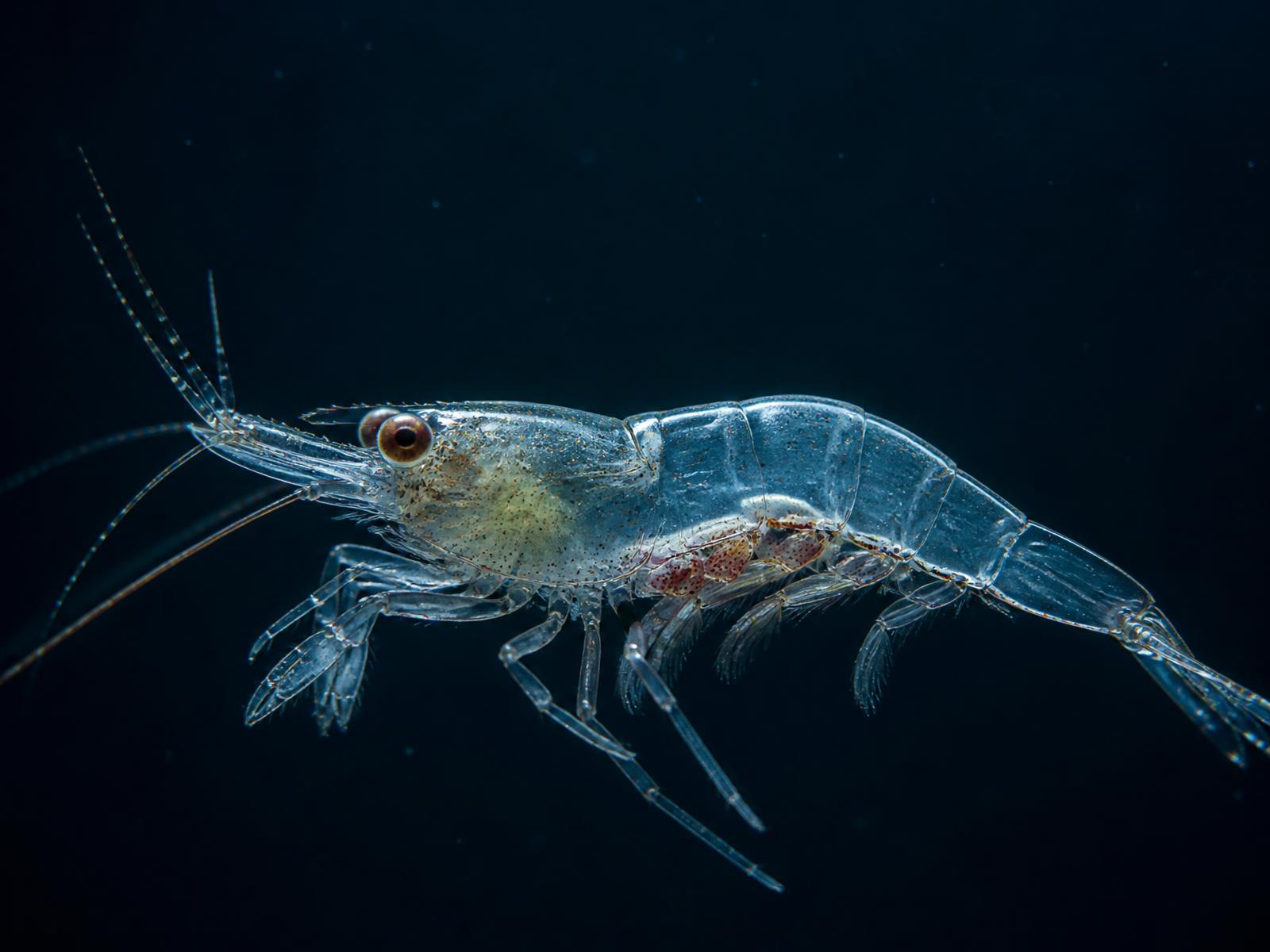
| Species | Palaemonetes paludosus |
|---|---|
| Typical adult size | Up to about 2 inches (50 mm) |
| Good for | Angelfish, rams, convicts, Jack Dempseys, oscars and other cichlids large enough to eat them |
| Role in diet | Live enrichment and conditioning food, not a sole diet |
| Tank mate use | Small shrimp will be eaten in most cichlid tanks |
| Order counts | 100, 250 or 500 for fish rooms |
Why cichlids benefit from live shrimp
Cichlids are a huge and varied family, but many species eat small invertebrates in the wild, including crustaceans. A live ghost shrimp gives a cichlid something to chase, which many keepers use as enrichment for fish that otherwise eat only pellets. Watching an oscar track a shrimp across the tank is part of the appeal.
Ghost shrimp are also a handy way to tempt a picky or newly moved fish to start eating. Movement often triggers a feeding response when prepared foods do not.
Matching shrimp to cichlid size
- Dwarf cichlids such as rams and apistogrammas may only manage small or juvenile shrimp. Adult shrimp may be too large.
- Angelfish and mid-size cichlids often take adult ghost shrimp readily.
- Oscars and large predators will eat ghost shrimp easily and may need several per feeding to make a meaningful meal.
Ghost shrimp are a supplement for big fish rather than a full meal on their own. Use them alongside a quality staple diet.
How to feed ghost shrimp to cichlids
- Net out the number of shrimp you plan to feed from your holding tank.
- Add them a few at a time so each fish gets a chance and none go unnoticed.
- Watch until they are eaten. Remove any that hide and are left for long periods if your tank is lightly stocked.
- Feed shrimp a few times a week rather than at every meal, and rotate with other foods.
Conditioning cichlids for breeding
Many breeders offer more live and high-protein foods when conditioning a pair. Ghost shrimp can be part of that rotation. The goal is variety and good water quality, not a single magic food. Keep up with water changes, since heavier feeding increases waste.
If you want a steady supply for conditioning, the monthly delivery lets you pick a count and a delivery week.
Holding and gut-loading your feeders
Shrimp are only as nutritious as what they have been eating. Feed your holding tank shrimp lightly with quality flakes, pellets or vegetables for a day or more before using them. This practice, often called gut-loading, passes some of that nutrition to your fish.
Use a cycled holding tank with an air stone, keep the temperature stable, and remove dead shrimp promptly. Ammonia builds quickly in crowded containers.
Float the sealed bag 20 to 30 minutes, then move the shrimp with a soft net or cup. Never pour the shipping water into your tank. Full steps are on our acclimation page.
Can ghost shrimp live with cichlids?
In most cichlid tanks, no. Any cichlid big enough to eat a ghost shrimp will eventually do so. A heavily planted tank with peaceful dwarf species is the only setting where shrimp might survive, and even then losses are normal.
If you want shrimp as cleaners rather than food, read are ghost shrimp good cleaners and our tank mates guide.
Using shrimp to start a picky cichlid eating
A new cichlid sometimes refuses pellets for the first days after a move. Live food is one of the most reliable ways to get it eating again. Turn the lights down, add two or three shrimp near where the fish hides, and leave the tank alone. Once the fish eats live shrimp with confidence, offer a few pellets at the same time so it learns to associate them with feeding. Over a week or two you can usually shift it back to a staple diet with shrimp as a weekly treat.
If a fish still will not eat live shrimp after several days, the problem is usually stress or water quality rather than food. Test ammonia, nitrite and nitrate, and check for bullying from tank mates.
Cost per meal: choosing a count
Feeding several large cichlids live shrimp can use a lot of shrimp. Buying a larger count and holding it at home lowers how often you need to order and keeps fresh feeders on hand. Fish rooms with many tanks often choose the 250 count, and retailers or clubs choose the 500 count. If you feed a fixed amount every month, the monthly delivery is 12% below one-time pricing.
Common questions from cichlid keepers
Keepers often ask whether live food makes cichlids more aggressive. Feeding live prey does trigger hunting behavior, but aggression in cichlid tanks mostly comes from territory, stocking and tank size. Feeding in small batches spread around the tank helps make sure every fish gets a share and reduces squabbles at feeding time.
Another common question is whether live shrimp will make fish refuse pellets. Usually not, as long as shrimp are a treat rather than every meal. Keep the staple diet as the base and use shrimp for variety.
A sample weekly rotation
For a medium or large cichlid, many keepers rotate a quality pellet as the daily staple, a frozen food twice a week, and a few live ghost shrimp once or twice a week. Adjust portions to body condition.
Frequently asked questions
Can oscars eat ghost shrimp?
Yes. Oscars readily eat ghost shrimp. Use them as part of a varied diet, not as the only food.
Are ghost shrimp good for angelfish?
Many angelfish eagerly hunt ghost shrimp. Smaller angelfish may prefer smaller shrimp.
How often should I feed live shrimp to cichlids?
A few times a week as part of a rotation is a common approach. Adjust to your fish's size and condition.
Do I need to gut-load ghost shrimp?
It is a good habit. Feeding the shrimp quality food for a day or more before use makes them more nutritious.
Sources
- Animal Diversity Web (University of Michigan): Palaemonetes paludosus
- Animal Diversity Web: Cichlidae
- US EPA CADDIS: ammonia
- US EPA CADDIS: dissolved oxygen
- Wikipedia (supplement): Cichlid
- Wikipedia (supplement): Gut loading
Husbandry notes are general guidance for hobbyists. Check your state's rules before keeping, releasing or using live animals as bait.