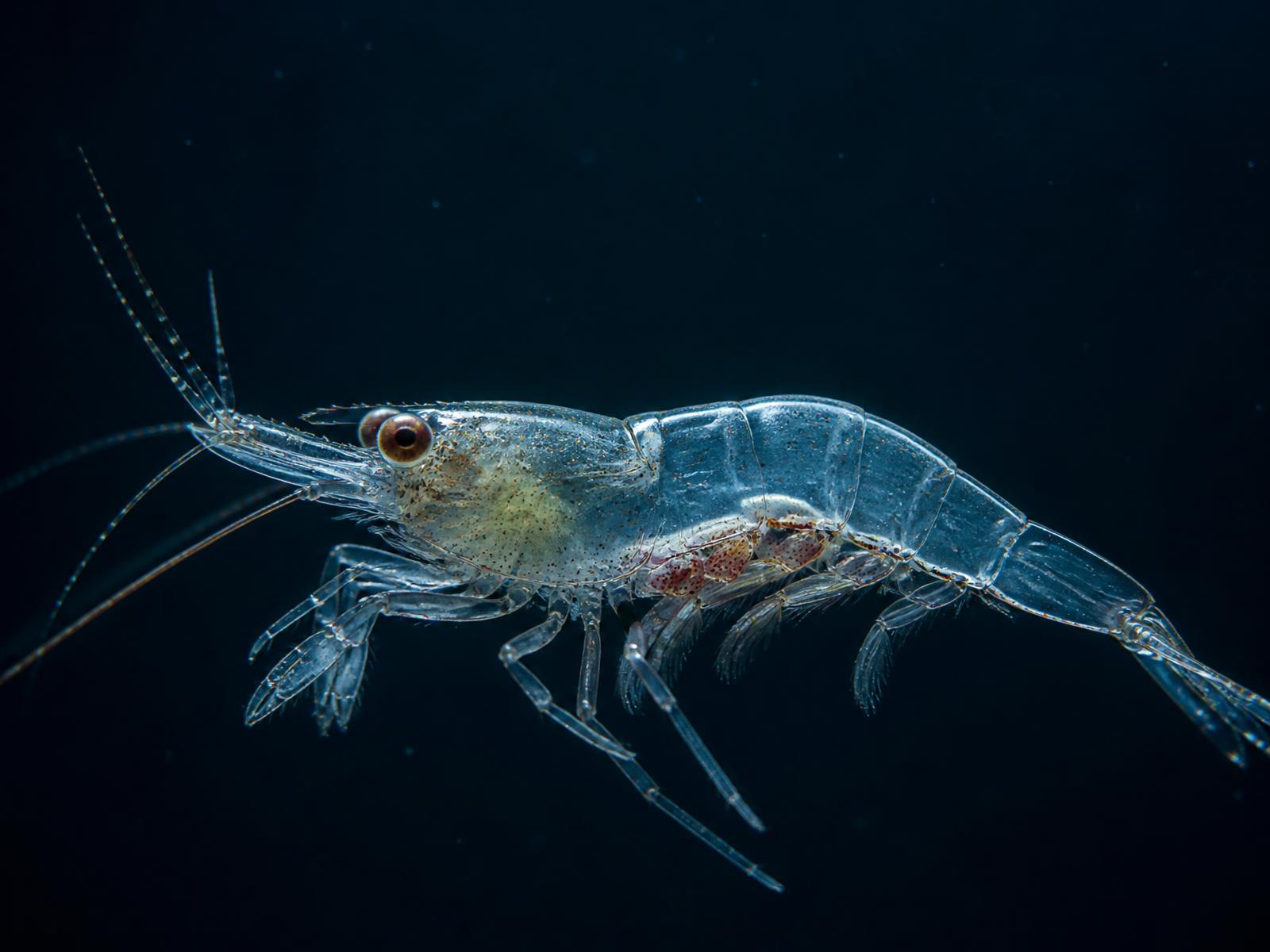
| Species | Palaemonetes paludosus, freshwater ghost shrimp |
|---|---|
| Typical adult size | Up to about 2 inches (50 mm) |
| Best for | Freshwater and low-salinity brackish puffers with mouths that can handle a whole shrimp |
| Role in diet | Live enrichment food; pair with snails and varied frozen foods |
| Holding | Separate cycled tank or tub with an air stone |
| Order counts | 50, 100 or 250 count packs |
Why puffers hunt ghost shrimp
Pufferfish belong to the family Tetraodontidae, and most species eat hard-bodied invertebrates such as crustaceans and mollusks in the wild. Their fused, beak-like teeth are built for crushing shells. A live ghost shrimp moving through the water triggers the same stalk-and-strike behavior a puffer would use in a river or estuary, which is why many keepers see a sluggish puffer become alert and active at feeding time.
Ghost shrimp are clear, small and soft enough for most mid-size puffers to swallow or crunch in a bite or two. That makes them one of the easiest live crustaceans to offer at home. They are also a freshwater species, which matters for which puffers you keep, as covered below.
Which puffers take ghost shrimp
- Freshwater puffers of medium size usually accept ghost shrimp readily once they are big enough to handle them.
- Dwarf or pea puffers are often too small to eat a full adult ghost shrimp. Juvenile shrimp or other tiny foods work better for them.
- Brackish puffers kept at low salinity will usually still hunt freshwater shrimp, but the shrimp will not live long in salty water, so feed only what gets eaten right away.
- Large puffers may treat a ghost shrimp as a snack rather than a meal. They still enjoy the hunt, but you will need larger counts or bigger foods as well.
If you are not sure your puffer can handle an adult shrimp, start with a few and watch. A puffer that repeatedly spits a shrimp out is telling you it is too big.
How many ghost shrimp to feed
There is no single number that fits every puffer, so think in terms of behavior rather than a fixed count. A good starting rule is to offer what your puffer eats eagerly within a few minutes, then remove or leave a small number of extras that it can hunt later. Many keepers feed a medium puffer a few shrimp per feeding, several times a week, alongside other foods.
- Watch the belly. A gently rounded belly after feeding is fine; a swollen, tight belly means you are overfeeding.
- Do not leave large numbers of shrimp in the display tank. Uneaten shrimp still produce waste and can stress the tank.
- Rotate foods. Ghost shrimp are excellent enrichment, but a varied diet of snails, frozen shellfish and other foods is better than a single item.
Keeping a holding tank of feeder shrimp
Buying in larger counts is usually more practical than ordering a handful at a time, but only if you can keep the extras healthy. A small holding tank or tub makes that easy.
- Use a cycled tank or a tub with established filter media and an air stone. Ammonia is toxic to shrimp even at low levels.
- Keep the holding container at stable room temperature, away from direct sun.
- Feed the shrimp lightly every day or two with fish flakes, sinking pellets or blanched vegetables. Well-fed shrimp are more nutritious feeders.
- Do small regular water changes and remove any dead shrimp promptly.
For more on keeping shrimp healthy between feedings, see our ghost shrimp care guide and water parameters page.
Acclimating feeders before they go in
Float the sealed bag 20 to 30 minutes, then move the shrimp with a soft net or cup. Never pour the shipping water into your tank. Full steps are on our acclimation page.
Even for feeders, careful acclimation matters. Shrimp that arrive healthy and stay healthy in your holding tank are better food and are less likely to carry problems into your puffer's tank. Inspect new shrimp for anything unusual before feeding them out.
Health and safety notes
Any live food can carry a small risk of introducing disease. Buying from a dedicated source, holding new shrimp for a short period, and feeding only active, healthy-looking shrimp all lower that risk. Never collect wild shrimp from waters that may be polluted.
If you keep a brackish puffer at higher salinity, remember that freshwater shrimp will weaken quickly in salt water. Feed them by hand or in small numbers so they are eaten while still lively.
Thinking about a cleanup role instead? Ghost shrimp kept with a puffer will almost always become food, so read our cleaning guide only for peaceful community tanks.
Puffer feeding schedule examples
Every puffer is different, so use these as starting points and adjust to your fish's body shape and behavior.
- Medium freshwater puffer: a few ghost shrimp two or three times a week, snails on other days, and a frozen food such as bloodworms or krill in between.
- Juvenile puffer: smaller, more frequent meals. Pick the smallest shrimp from your holding tank, and skip adults it cannot handle.
- Large puffer: use shrimp as a hunting snack before a bigger meal of shellfish or larger frozen foods.
Skipping a day each week is a common habit among keepers and helps prevent overfeeding. If your puffer spits food out or ignores shrimp for several days, check water quality before changing the diet.
Frequently asked questions
Can pufferfish eat ghost shrimp every day?
Many puffers can eat a few ghost shrimp often, but a varied diet is healthier. Mix shrimp with hard-shelled snails and frozen foods, and adjust portions by your puffer's body condition.
Are ghost shrimp safe for puffers?
Ghost shrimp are a common live food for puffers. Reduce risk by buying from a dedicated source, holding them in a clean tank, and feeding only healthy, active shrimp.
Will ghost shrimp survive in a brackish puffer tank?
Ghost shrimp are a freshwater species and weaken in salt water. Feed only what your puffer will eat right away.
Sources
- Animal Diversity Web (University of Michigan): Palaemonetes paludosus
- Animal Diversity Web: Tetraodontidae (puffers)
- US EPA CADDIS: ammonia
- US EPA CADDIS: dissolved oxygen
- Wikipedia (supplement): Tetraodontidae (pufferfish)
Husbandry notes are general guidance for hobbyists. Check your state's rules before keeping, releasing or using live animals as bait.