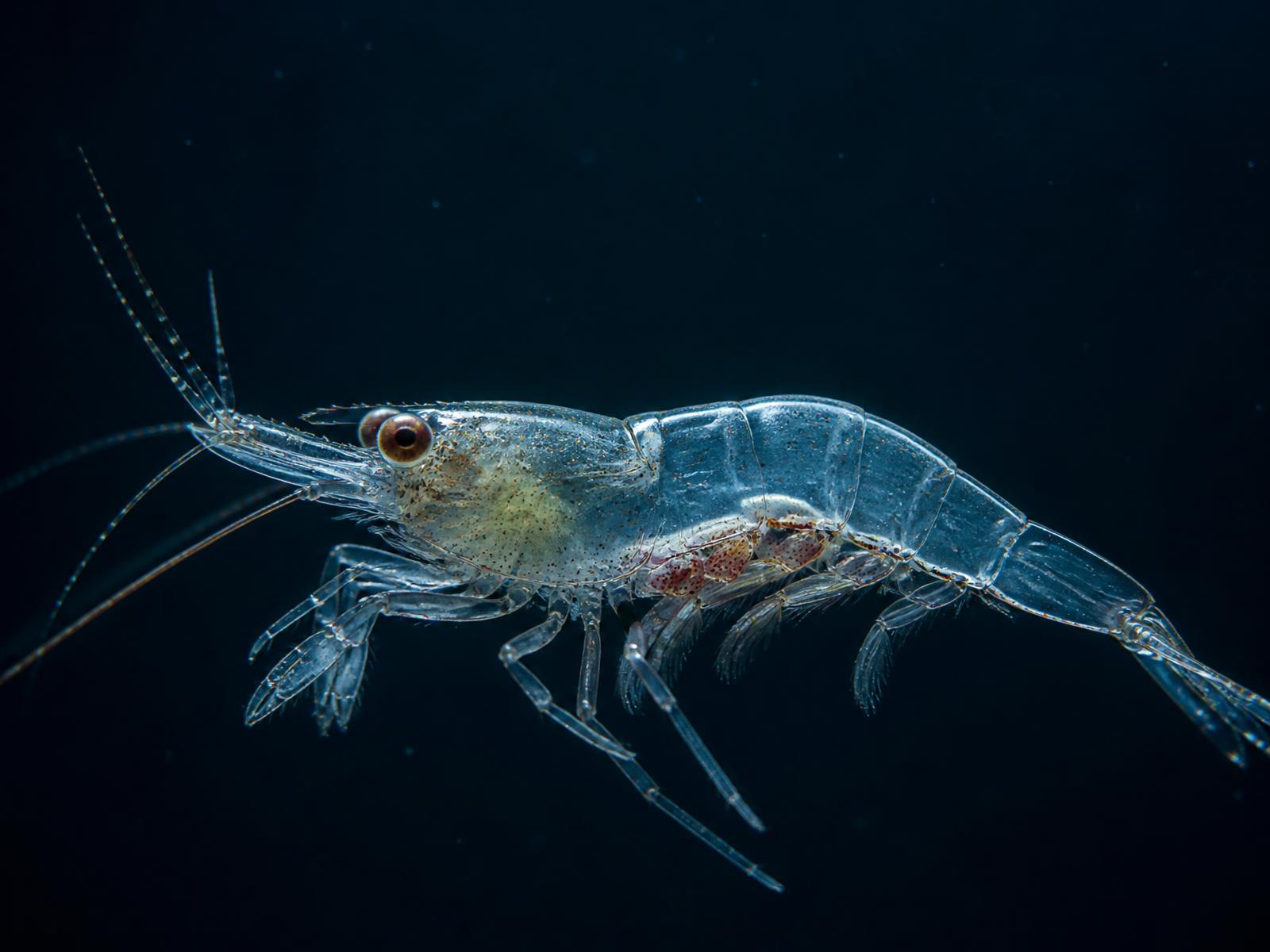
| Species | Palaemonetes paludosus |
|---|---|
| Breeding group | Start with a 25 count or 50 count |
| Eggs | Carried under the female's abdomen |
| Larvae | Free swimming and tiny; freshwater |
| Larvae food | Very fine foods such as infusoria or fine powdered fry foods |
| Main risk | Adults and fish eat larvae |
Why breed ghost shrimp
Breeding ghost shrimp is a popular way to keep a steady supply of small live food for fish, puffers and seahorse treats, and it is a fun project in its own right. Because Palaemonetes paludosus completes its life cycle in fresh water, it is one of the more approachable shrimp to try. Expect some trial and error; larvae are the hard part.
Set up the breeding tank
- Use a cycled tank with gentle filtration. A sponge filter is ideal because it will not suck up larvae.
- Add plenty of plants or moss for cover.
- Keep the temperature stable and the water clean.
- House shrimp without fish, or with only very small peaceful fish.
Our water parameters page lists the ranges we recommend.
Sexing and berried females
Females tend to be larger, with a deeper abdomen. When a female is carrying eggs, you will see a cluster of small green or greenish eggs under her tail. These are called berried females. She fans the eggs with her swimmerets to keep them oxygenated.
Move berried females
Adult shrimp and fish will eat larvae, so the usual method is to move berried females into a separate, cycled larvae tank before the eggs hatch. Once the eggs hatch, return the female to the main tank.
Feeding and raising larvae
Ghost shrimp larvae are tiny and free swimming at first. They need very fine food: infusoria, green water, or finely powdered fry foods. Feed small amounts often and keep the water clean with gentle partial water changes. As they develop into miniature shrimp, they can eat crushed flakes and other small foods. Losses at the larval stage are normal, even for experienced breeders.
Healthy molting is part of growth; see our molting guide and breeding basics.
Growing out and using your colony
Once the young look like small adults, they can rejoin the main group. Over time you can build a colony large enough to supply feeders for puffers, cichlids or seahorse treats. Many keepers also keep buying a regular batch so they never run short while the colony grows.
What the science says about ghost shrimp reproduction
Animal Diversity Web describes how this species breeds. A female's ripening ovaries take on a greenish color before spawning. She becomes receptive right after molting, while her shell is still soft, and mating happens within hours. Eggs are fertilized as they are released and stick to the swimmerets under her abdomen. Females carry the eggs for up to about two months. Breeding is tied to warm water, and in Florida glass shrimp can breed year round.
A realistic breeding timeline
- Weeks 1 to 2: set up and cycle the tank, add the group and feed well.
- Weeks 2 to 6: watch for females with green ovaries, then berried females.
- Berried period: eggs are carried for several weeks, up to about two months.
- Hatching: larvae pass through three short larval stages before looking like tiny shrimp.
- Grow-out: juveniles molt often and grow quickly with steady feeding.
Troubleshooting
- No eggs: raise feeding quality, keep the tank warm and stable, and make sure you have both sexes.
- Females drop eggs: stress and poor water quality are common causes. Avoid big water changes or moving berried females roughly.
- Larvae die quickly: food is usually the issue. Offer fine food more often and keep the tank very clean.
Keep notes on what works in your tank. Small adjustments in feeding and stability matter more than any special equipment.
Feeding adults for breeding
Well-fed females produce more eggs. In the wild, ghost shrimp eat mostly algae, especially diatoms and green algae, plus plant matter and small invertebrates, according to Animal Diversity Web. In a breeding tank, offer a varied diet: quality flakes or sinking pellets, blanched vegetables such as zucchini or spinach, and occasional protein foods. Let biofilm grow on surfaces, since shrimp graze it constantly. Feed small amounts often rather than one big meal, and remove leftovers.
Breeding ghost shrimp as feeders
If your goal is a home supply of live food, plan two containers: a breeding tank where adults live and lay eggs, and a grow-out tank for young shrimp. Move berried females to the grow-out tank, let the eggs hatch, then move the females back. Harvest from the grow-out tank once shrimp reach a useful size. A starting group from a 50 count gives you enough adults to get going.
Water for breeding
Ghost shrimp breed when the water is warm. Animal Diversity Web reports breeding at water temperatures of about 18 to 33 C (64 to 91 F) in the wild, with year-round breeding in Florida. In a home tank, keep a steady, comfortable temperature in that range rather than pushing it to the extremes. Keep hardness stable for healthy molts, and change water in small amounts.
How many eggs to expect
Animal Diversity Web reports that females produce somewhere from a few to several dozen eggs, so broods are small compared with many fish. Steady conditions over several broods build a colony.
Frequently asked questions
How do I know if my ghost shrimp is pregnant?
A berried female carries a cluster of green eggs under her tail.
Do ghost shrimp larvae need salt water?
Palaemonetes paludosus larvae develop in fresh water.
Will adult ghost shrimp eat their babies?
Yes, adults and fish will eat larvae, so move berried females to a separate tank.
What do I feed baby ghost shrimp?
Very fine foods such as infusoria, green water or powdered fry foods, in small amounts.
Sources
- Animal Diversity Web (University of Michigan): Palaemonetes paludosus
- Animal Diversity Web: Decapoda
- US EPA CADDIS: ammonia
- US EPA CADDIS: dissolved oxygen
Husbandry notes are general guidance for hobbyists. Check your state's rules before keeping, releasing or using live animals as bait.