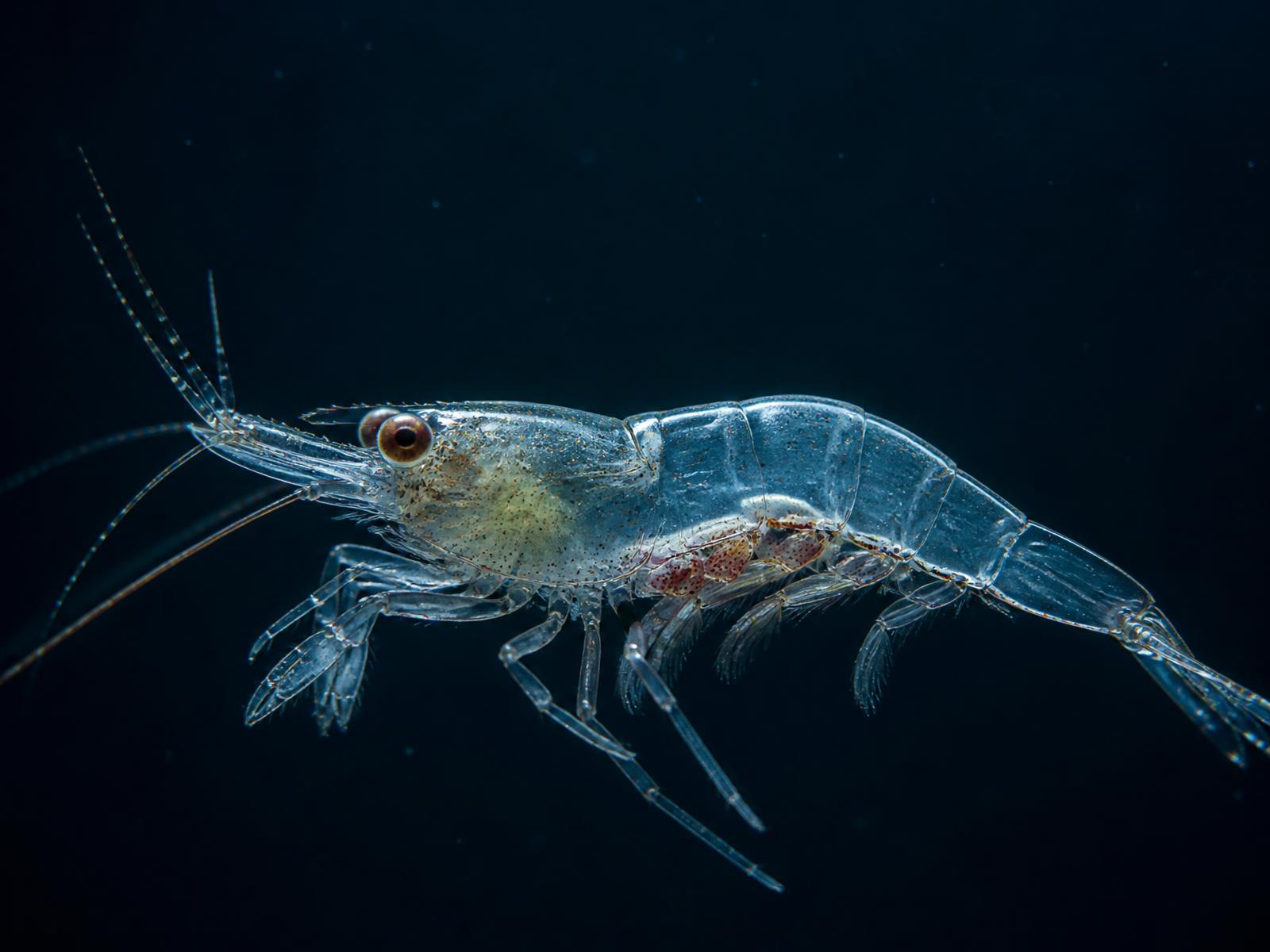
| Species | Palaemonetes paludosus |
|---|---|
| Aquarium lifespan | 12 to 18 months in a stable tank |
| Wild life cycle | About a year or less (Animal Diversity Web lists 6 to 13 months) |
| Biggest risks | Poor acclimation, ammonia, copper, failed molts, predators |
| Arrival | Live arrival guaranteed |
| Care help | Care guide and water parameters |
How long do ghost shrimp live?
In a stable aquarium, expect ghost shrimp to live 12 to 18 months. In the wild, Animal Diversity Web describes a life cycle of about one year, with a typical wild lifespan of 6 to 13 months and many adults dying after spawning. Aquariums remove predators and give steady food, which is why shrimp often live a bit longer at home.
Keep in mind that shrimp you buy are not newborns. Their age at purchase varies, so the time they spend in your tank will be somewhat shorter than the full lifespan.
The first week matters most
Many shrimp that die early do so in the first days after a move. Shipping, temperature change and new water chemistry are stressful.
Float the sealed bag 20 to 30 minutes, then move the shrimp with a soft net or cup. Never pour the shipping water into your tank. Full steps are on our acclimation page.
Do not add new shrimp to a tank that has just been cycled or recently treated with medication. Keep lights dim for the first day and avoid big water changes during the first week.
Every order is covered: Live arrival guaranteed. Check the box on arrival and follow the claim steps on that page.
Common causes of early death
- Ammonia and nitrite: toxic even at low levels. Test regularly, especially in new tanks.
- Copper: found in many fish medications and some plant fertilizers. It is toxic to invertebrates.
- Sudden changes: large water changes with water of very different temperature or hardness can trigger stress and failed molts.
- Low oxygen: warm, still or crowded water holds less oxygen.
- Predators: fish that can fit a shrimp in their mouth will eventually try.
- Starvation: in very clean tanks with no leftovers, shrimp need direct feeding.
How to help ghost shrimp live longer
- Keep the tank fully cycled with stable temperature.
- Change water in small, regular amounts, matching temperature.
- Feed a small amount of quality food a few times a week if your tank has little leftover food.
- Provide plants and cover for molting.
- Avoid copper and check labels before adding any treatment.
- Choose peaceful tank mates.
For specific numbers, see our water parameters page.
Signs of an aging shrimp
Toward the end of its life a ghost shrimp may become less active, eat less and molt less often. Its body may look less clear. If only one or two older shrimp decline while the rest of the group stays active, that is usually natural aging. If many shrimp decline at once, test the water right away, since the cause is more likely the environment.
Is it dead or molted?
An empty molt is clear and hollow, while a dead shrimp turns opaque white or pink. Many new keepers mistake molts for deaths. See ghost shrimp molting for how to tell the difference and what failed molts look like.
Keeping your numbers steady
Because ghost shrimp have a short natural lifespan, a group naturally shrinks over time unless it breeds. You can let the colony breed, see how to breed ghost shrimp, or top up regularly. The monthly delivery lets you choose a count and delivery week at 12% below one-time pricing.
Lifespan by life stage
A ghost shrimp's life has a few clear stages. Larvae hatch and pass through three short larval stages before they look like tiny shrimp, according to Animal Diversity Web. Juveniles grow quickly, molting about every one to two weeks. Adults molt less often, about every three to four weeks, and breed when water is warm. In Florida, wild glass shrimp can breed year round. Near the end of life, shrimp slow down.
How water conditions affect lifespan
Stable water is the single biggest factor. Ammonia harms aquatic animals even at low levels, according to the US EPA, and warm water holds less dissolved oxygen. Both shorten lives quietly over time, not only through sudden deaths. Regular small water changes, a mature filter, steady temperature and a sensible number of animals add up to the 12 to 18 months a healthy ghost shrimp can live in a stable tank.
If your tank is crowded, read how many ghost shrimp per gallon.
Lifespan for feeder shrimp
If you keep ghost shrimp as feeders, the goal is to keep them healthy until feeding, not for their full lifespan. A clean, aerated holding tank and light feeding keep feeders in good condition for weeks. Healthy feeders are better food for your fish, as covered in ghost shrimp for pufferfish.
Lifespan myths
- Myth: shrimp die because they are fragile. Most early deaths have a cause, usually water quality, acclimation or copper.
- Myth: a clear shell means a dead shrimp. It is usually a molt.
- Myth: more shrimp means a cleaner tank. Too many shrimp shorten lives through competition and waste.
Fix the cause, and shrimp usually reach a healthy 12 to 18 months in a stable tank.
Record keeping
Note the date you add each group of shrimp, and log deaths, molts and water test results. Over a few months you will see whether losses follow water changes, new fish or treatments, which points straight to the cause.
Frequently asked questions
How long do ghost shrimp live?
12 to 18 months in a stable tank.
Why do my ghost shrimp keep dying?
Common causes are poor acclimation, ammonia, copper, sudden water changes, low oxygen and predators. Test water first.
Do ghost shrimp live longer in the wild?
No. The wild life cycle is usually about a year or less.
How can I tell a dead shrimp from a molt?
A molt is clear and hollow. A dead shrimp turns opaque white or pink.
Sources
- Animal Diversity Web (University of Michigan): Palaemonetes paludosus
- US EPA CADDIS: ammonia
- US EPA CADDIS: dissolved oxygen
- Wikipedia (supplement): Nitrogen cycle
Husbandry notes are general guidance for hobbyists. Check your state's rules before keeping, releasing or using live animals as bait.