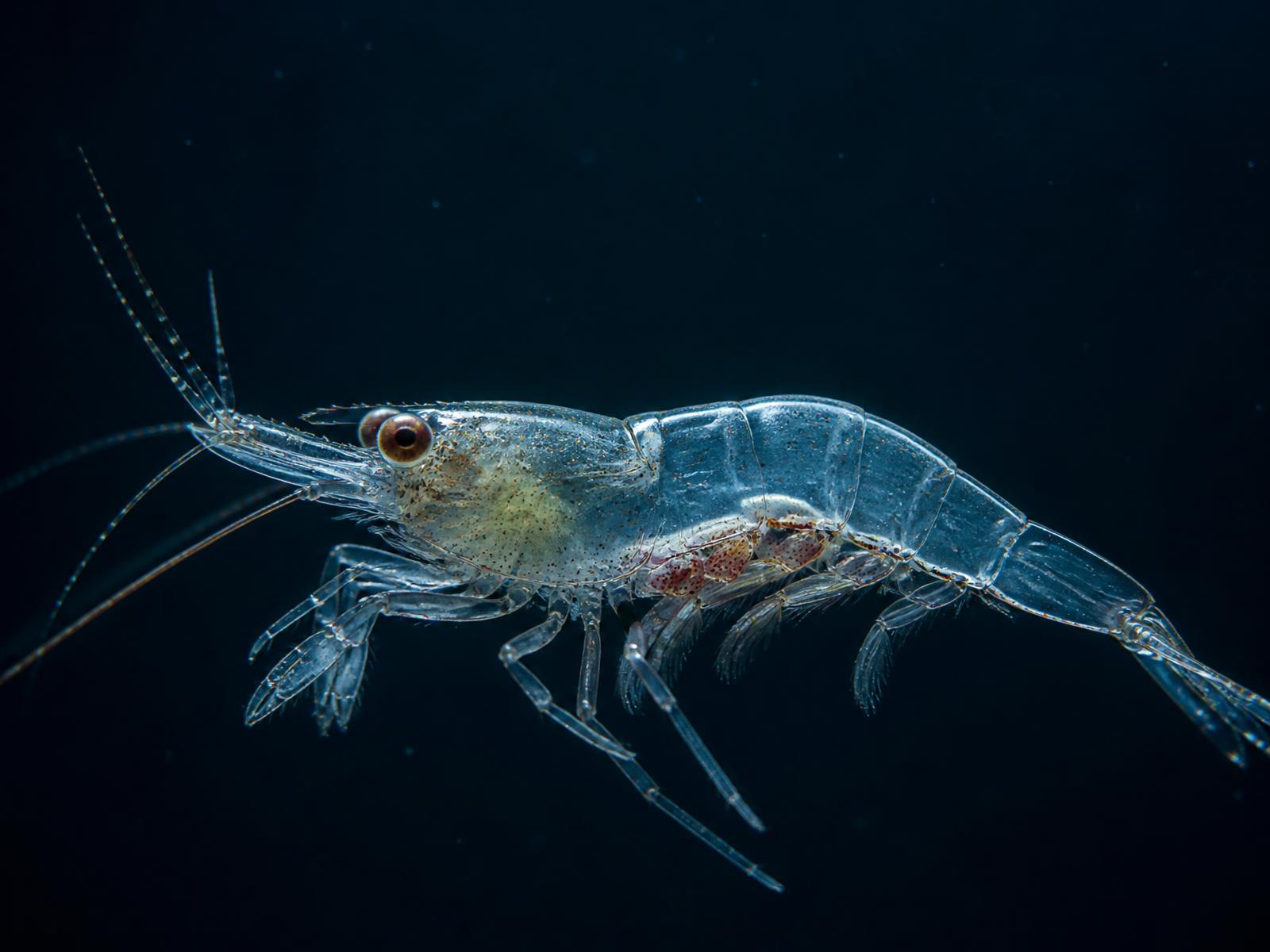
| Species | Palaemonetes paludosus |
|---|---|
| Adult size | Up to about 2 inches (50 mm) |
| Community tank start | About 1 per gallon or fewer |
| Shrimp-only tank | Can hold more, with strong filtration and plants |
| 5 to 20 gallons | Our 25 count is designed as a starter crew |
| Rule | Start low, add gradually |
Why there is no single magic number
Stocking guides online often give a single figure, but the right number of ghost shrimp depends on what the tank is for. A shrimp in a heavily planted community tank with a big filter is in a very different situation from a shrimp in a bare holding tub. Every animal adds waste. Shrimp have a small bioload, but in large numbers they still add ammonia, and ammonia is toxic to aquatic animals even at low levels, according to the US EPA.
So think of any per-gallon figure as a starting point. The best measure is your tank: stable test results, active shrimp, clean molts and no buildup of leftover food.
Stocking by tank purpose
- Community tank with small peaceful fish: start with about one shrimp per gallon or fewer. The fish already add waste, and shrimp are there to clean, not to crowd.
- Planted shrimp-only tank: without fish, shrimp have the tank to themselves and plants absorb waste, so you can keep more. Increase gradually.
- Feeder holding tank: numbers can be higher for short periods, but you need strong aeration, frequent water changes and regular removal of dead shrimp.
- Breeding tank: keep a moderate group so females are not stressed and larvae have clean water.
Tank size examples
These are conservative starting points for a community tank. Shrimp-only tanks can hold more once they are stable.
- 5 gallon: a small group of a few shrimp.
- 10 gallon: roughly 5 to 10 shrimp.
- 20 gallon: roughly 10 to 20 shrimp.
- 29 gallon: roughly 15 to 25 shrimp.
- 55 gallon: roughly 25 to 50 shrimp.
- 75 gallon and up: 50 or more, depending on fish and plants.
Need an exact number? The pick your count page sells 1 to 24 shrimp. For a 20 to 55 gallon tank, the 25 count or 50 count is usually the easiest place to start.
What changes the number
- Filtration: stronger biological filtration supports more animals. Cover intakes so shrimp are not sucked in.
- Plants: live plants use waste and give shrimp space to spread out.
- Tank mates: anything that can eat a shrimp will reduce your numbers over time. Count on losses with larger fish.
- Hardscape and surface area: rock, wood and plants add territory, so shrimp spread out instead of crowding.
- Feeding: more shrimp means more food, and more food means more waste.
Signs you have too many
- Ammonia or nitrite readings above zero in a cycled tank.
- Shrimp fighting over food or spending lots of time near the surface.
- Frequent deaths or failed molts.
- Leftover food disappearing instantly and shrimp constantly searching, a sign there is not enough to go around.
Adding shrimp in stages
- Make sure the tank is fully cycled and stable.
- Add a first group at the low end of your target.
- Float the sealed bag 20 to 30 minutes, then move the shrimp with a soft net or cup. Never pour the shipping water into your tank. Full steps are on our acclimation page.
- Test water over the next two weeks and watch behavior.
- If everything stays stable, add more up to your target.
Planning a cleaning crew rather than just counting shrimp? See are ghost shrimp good cleaners. For tank mate choices, see our tank mates guide.
Stocking for feeder and holding tanks
If you buy ghost shrimp as live food, you may hold far more shrimp than a display tank would. That is fine for short periods with the right setup. Use a wide container rather than a tall one, because surface area matters for oxygen exchange. Run an air stone or two, keep the container out of direct sun, and change a portion of the water often. Warm water holds less oxygen, according to the US EPA, so a hot room can stress a crowded tub fast.
Split large orders such as a 100 count into two containers if you can. Feed lightly and remove any dead shrimp the same day. For feeding uses, see ghost shrimp for pufferfish and ghost shrimp for cichlids.
Stocking with fish of different sizes
Small peaceful fish such as many tetras, rasboras and corydoras usually leave adult ghost shrimp alone, though they may eat babies. Medium fish such as gouramis and larger barbs may harass or eat smaller shrimp. Large fish will eat them. If your tank has medium fish, plan for some losses and add more cover rather than more shrimp.
Quick reference
Start low, add in stages and let your test kit decide the final number. For most home tanks, the 25 count or 50 count is the easiest start, and the pick your count page lets you add exactly as many as you need later. Feeder tanks can hold more for short periods with strong aeration and frequent water changes.
Adjusting over time
Your ideal number can change as plants fill in, fish grow or the shrimp breed. Recheck every few months. If the population grows past what the tank supports, move extras to a second tank or use them as feeders.
Frequently asked questions
How many ghost shrimp can I put in a 10 gallon tank?
In a community tank, roughly 5 to 10 is a conservative start. Shrimp-only tanks can hold more once stable.
How many ghost shrimp in a 20 gallon tank?
Roughly 10 to 20 in a community tank. Our 25 count is designed as a starter crew for 5 to 20 gallon tanks.
Can I have too many ghost shrimp?
Yes. Too many shrimp raise waste and competition for food. Start low and add in stages.
Should I add all my shrimp at once?
It is safer to add them in stages, especially in a newly cycled tank.
Sources
- Animal Diversity Web (University of Michigan): Palaemonetes paludosus
- US EPA CADDIS: ammonia
- US EPA CADDIS: dissolved oxygen
- Wikipedia (supplement): Nitrogen cycle
Husbandry notes are general guidance for hobbyists. Check your state's rules before keeping, releasing or using live animals as bait.