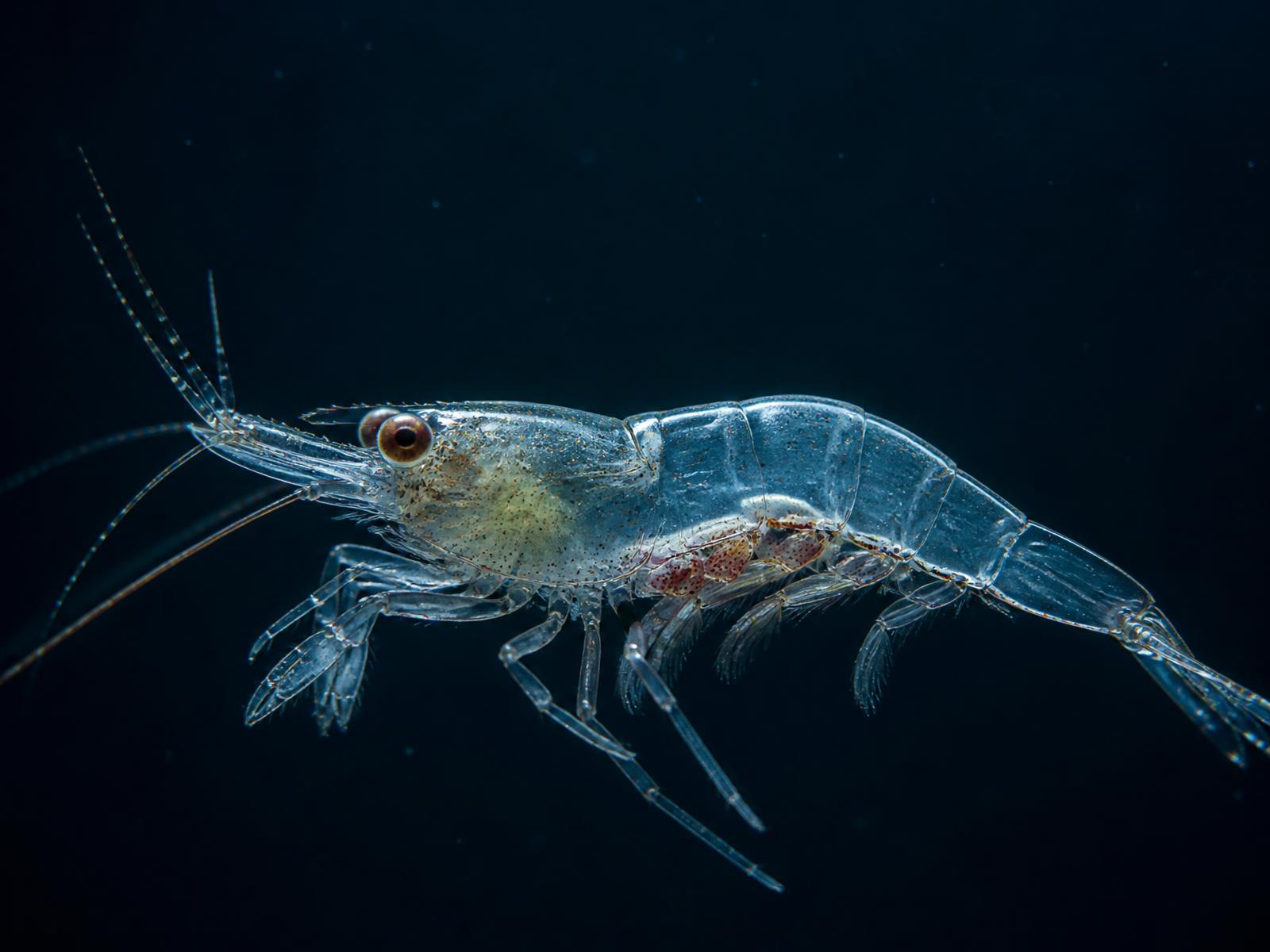
| Species | Palaemonetes paludosus, native to the southeastern US |
|---|---|
| Pond role | Detritus grazer and live forage |
| Needs | Dense plants, clean water, places to hide |
| Predators | Koi, large goldfish, birds, frogs and insects |
| Winter | Depends on your climate; freezing ponds are risky |
| Order counts | 100, 250 or 500 count |
Can ghost shrimp live in a pond?
Yes, in the right conditions. Palaemonetes paludosus lives naturally in vegetated ponds, lakes and slow streams in the southeastern United States. A backyard pond with plants, clean water and moderate temperatures can support them through the warm season.
How well they do depends on three things: cover, predators and climate.
Plants and cover
- Dense submerged and edge plants give shrimp places to hide and graze.
- Rocks, leaf litter and plant roots add more shelter.
- Avoid ponds with no cover at all; shrimp in open water get eaten fast.
Plants also help water quality, which shrimp need. Ammonia from fish waste and decaying food is toxic to shrimp.
Fish and other predators
Koi and large goldfish will eat ghost shrimp. In a fish pond, think of shrimp as forage that some fish will hunt, with only the best-hidden shrimp surviving. In a plant-focused pond without large fish, shrimp have a much better chance of building a population.
Birds, frogs and predatory insects will also take some shrimp. That is normal in an outdoor pond.
Temperature and winter
Ghost shrimp are suited to warm freshwater. In mild climates they may survive outdoors year round in deeper ponds. In places where ponds freeze, survival through winter is uncertain. If you want to keep your shrimp, move some to an indoor tank before cold weather. Avoid stocking during extreme heat or cold; we also hold shipments in extreme weather.
How to stock
- Choose a warm, settled week, not during a heat wave or cold snap.
- Acclimate the shrimp first. Float the sealed bag 20 to 30 minutes, then move the shrimp with a soft net or cup. Never pour the shipping water into your tank. Full steps are on our acclimation page.
- Release shrimp near dense plants, not into open water.
- Feed lightly; shrimp will also graze on detritus and algae.
- Watch for activity in the plants over the following weeks.
Stay legal and protect wild waters
Only stock shrimp in a contained backyard pond. Never release ghost shrimp or any live animal into lakes, rivers, canals or ponds that connect to natural waters. Even native species can carry disease, and moving animals between waters can harm local populations. Check your state wildlife agency's rules first; in Florida, see FWC's nonnative species guidance.
Want shrimp for indoor cleaning instead? See are ghost shrimp good cleaners.
Pond stocking calculator
Enter your pond size, depth, predators and cover to get a rough starting count. More predators and less cover mean more shrimp are eaten before they settle in, so the count goes up.
Estimated starting count
This is an estimate, not a published rate. We found no university or agency stocking rate for ghost shrimp (Palaemonetes paludosus) in ponds. The base comes from the forage stocking rate Missouri Department of Conservation gives for fathead minnows in new ponds, 300 to 500 per surface acre, scaled up for predators and little cover. Mississippi State and Texas A&M give fathead rates by weight (3 pounds, and 5 to 15 pounds, per acre). All three are listed in Sources below. Small backyard ponds start at 100, our smallest pond count. Shipping is charged separately on pond packs.
Choosing the right count for your pond
How many shrimp to add depends on surface area, plant cover and fish. A small planted pond with few or no fish can start with a 100 count. A larger pond with koi or goldfish may need a 250 count or more, since many will be eaten. Some pond keepers add shrimp again each spring as a seasonal food source for their fish rather than expecting a self-sustaining colony.
Water quality in outdoor ponds
Shrimp need oxygen and clean water. Warm water holds less dissolved oxygen, according to the US EPA, so hot summer days and still water can be hard on shrimp. A pump, fountain or waterfall that moves the surface helps. Avoid overfeeding fish, since excess food raises ammonia, and be careful with pond treatments and algaecides, many of which are harmful to invertebrates. Read the label before adding anything to a pond with shrimp in it.
Season by season
- Spring: once water warms and plants grow back, it is a good time to stock.
- Summer: shrimp are most active. Watch oxygen on hot days and keep water moving.
- Fall: shrimp slow down as water cools. Bring some indoors if you expect hard freezes.
- Winter: in mild climates shrimp may stay active in deeper ponds; in cold climates survival is uncertain.
In Florida, ghost shrimp can breed year round in warm water, according to Animal Diversity Web, so pond populations in mild climates may grow on their own if there is enough cover.
Ponds with and without fish
A plant-focused pond without large fish is the best home for a lasting shrimp population. In a fish pond, shrimp still help as grazers and natural food, but many will be eaten, so expect to restock. Adding dense floating plants or a planted shelf where fish cannot reach gives shrimp a refuge.
Pond stocking checklist
- Contained backyard pond, not connected to natural waters.
- Dense plants and shelter.
- Moving surface or aeration.
- No recent algaecide or copper treatments.
- Warm, settled weather for stocking.
- A plan for cold months.
Tick these off before ordering, and your shrimp have the best possible start outdoors.
Feeding shrimp in a pond
Most pond shrimp find enough to eat from algae, plant debris and leftover fish food. In a new pond with little growth, sprinkle a small amount of sinking food near the plants a few times a week until the pond matures. Never feed more than gets eaten, because excess food fuels algae and lowers oxygen.
Frequently asked questions
Can ghost shrimp survive winter in a pond?
It depends on your climate. In freezing climates survival is uncertain; bring some indoors to be safe.
Will koi eat ghost shrimp?
Yes. Koi and large goldfish eat ghost shrimp, so plenty of plant cover matters.
How many ghost shrimp should I add to a pond?
It depends on pond size and predators. Many pond owners start with a 100 count and add more over time.
Can I release ghost shrimp into a lake?
No. Never release live animals into natural waters.
Sources
- Animal Diversity Web (University of Michigan): Palaemonetes paludosus
- FWC: nonnative species
- Florida Fish and Wildlife Conservation Commission: invertebrate profiles
- US EPA CADDIS: ammonia
- US EPA CADDIS: dissolved oxygen
- US EPA CADDIS: temperature
- Missouri Department of Conservation: Fathead minnows in new ponds and lakes (Aquaguide)
- Mississippi State University Extension: stocking recommendations for ponds 1 acre or larger
- Texas A&M AgriLife: fathead minnows for pond stocking
Husbandry notes are general guidance for hobbyists. Check your state's rules before keeping, releasing or using live animals as bait.